bitcoin buy cost Understanding the Market Dynamics

With bitcoin buy cost at the forefront, this discussion invites you to explore the fascinating world of cryptocurrency investment. As Bitcoin continues to gain traction, understanding its pricing mechanisms becomes essential for both new and seasoned investors.

From market demand to transaction fees, several factors influence how much you’ll pay for Bitcoin. This overview will guide you through the intricacies of buying Bitcoin, shedding light on the different platforms, payment methods, and the ever-changing landscape of Bitcoin pricing trends.

Understanding Bitcoin Pricing

The price of Bitcoin is influenced by several dynamic factors that reflect the overall sentiment of the market and the economic landscape. Understanding these variables is key for anyone looking to navigate the cryptocurrency market effectively.Market demand plays a crucial role in determining Bitcoin’s buy cost. When more investors are looking to buy Bitcoin, the price tends to rise due to scarcity.

Conversely, if there’s a drop in demand, prices may fall. Additionally, external factors, such as regulatory news or technological advancements, can significantly shift the market landscape.Over the past five years, Bitcoin pricing trends have shown remarkable volatility. In 2018, Bitcoin faced a major downturn, dropping from nearly $20,000 to around $3,000. However, the subsequent years showed a bullish recovery, culminating in new all-time highs in late 2020 and 2021, demonstrating Bitcoin’s potential for significant price swings.

Methods of Buying Bitcoin

There are various platforms available for purchasing Bitcoin, each with its own unique features. The most common methods include cryptocurrency exchanges, peer-to-peer platforms, and Bitcoin ATMs.When buying Bitcoin through an exchange, the steps typically involve:

  1. Creating an account on the exchange.
  2. Verifying your identity, which may include providing identification.
  3. Linking a payment method, such as a bank account or credit card.
  4. Placing an order to buy Bitcoin at the current market price.
  5. Confirming your purchase and storing your Bitcoin in a secure wallet.

Peer-to-peer platforms offer advantages like better rates and direct transactions but can also carry risks, such as scams and lack of support. Individuals must exercise caution and do their due diligence when opting for these platforms.

Cost Considerations When Buying Bitcoin

When purchasing Bitcoin, various fees can apply that affect the total cost. These may include trading fees, withdrawal fees, and spread costs, which vary across platforms. Transaction fees can significantly impact the overall cost of purchasing Bitcoin. For instance, high transaction fees during peak times can make a seemingly low price less attractive. To help you compare costs between major exchanges, the following table Artikels fees and processing times:

Exchange Fees Processing Time
Exchange A 0.25% Instant
Exchange B 0.5% + $2 withdrawal 1-3 days
Exchange C 1% + variable fee Instant

Payment Methods for Buying Bitcoin

There are several payment methods accepted for buying Bitcoin, including credit cards, bank transfers, and even cash in some cases. Each method has its pros and cons.Credit cards offer a fast way to purchase Bitcoin but may incur higher fees and can be subject to chargebacks. Bank transfers generally have lower fees and provide higher purchase limits but can take longer to process.

When evaluating cost efficiency, bank transfers often emerge as the most economical option, especially for larger transactions. However, the risks associated with credit cards, such as fraud or unauthorized transactions, must be considered.

Timing Your Bitcoin Purchase

Determining the optimal time to buy Bitcoin requires careful analysis of market trends and conditions. For instance, observing patterns during market rallies or corrections can provide insights into potential buying opportunities.Market volatility can greatly influence the cost of buying Bitcoin. Prices can change rapidly based on trader sentiment, global events, or technological changes. Historical price data indicates that certain times of the year, such as around major cryptocurrency events or halving periods, may present favorable buying conditions.

This information can be invaluable for investors looking to time their purchases strategically.

Security in Bitcoin Purchases

Security is paramount when buying Bitcoin. It’s essential to implement robust security measures, such as enabling two-factor authentication and utilizing hardware wallets to store Bitcoin safely.Using reputable exchanges is crucial to avoid scams and ensure the safety of your funds. Check for reviews and regulatory compliance when selecting a platform. Best practices for safeguarding Bitcoin post-purchase include transferring assets to a personal wallet rather than keeping them on an exchange and regularly updating security credentials.

Tax Implications of Buying Bitcoin

Bitcoin cryptocurrency on brown background style Stock Vector Image ...

Purchasing Bitcoin may come with potential tax liabilities that investors need to be aware of. Profits derived from Bitcoin trading can be subject to capital gains tax, depending on local regulations.When reporting Bitcoin purchases on tax returns, it’s important to maintain detailed records of transactions, including dates, amounts, and the cost basis. The implications of holding versus selling Bitcoin for tax purposes can vary significantly.

While holding may defer taxes until the asset is sold, selling immediately might trigger immediate tax liabilities.

Future Trends in Bitcoin Pricing

Many experts predict that Bitcoin pricing trends will continue to evolve in response to market dynamics and regulatory changes. Potential regulations, such as stricter compliance requirements or outright bans in certain regions, could significantly impact Bitcoin buy costs. A timeline for projected Bitcoin price movements could highlight anticipated changes based on market analysis, showing how Bitcoin’s price trajectory may unfold in the coming years.

Outcome Summary

Bitcoin Digital Currency UHD 8K Wallpaper - Pixelz.cc

In conclusion, navigating the bitcoin buy cost landscape requires both knowledge and strategy. By understanding the various factors that affect pricing and the best practices for purchasing Bitcoin, you can make informed decisions that align with your investment goals. Embrace the journey of cryptocurrency investment with confidence, knowing that you’re equipped with the insights needed to succeed.

FAQ Guide

What is the average bitcoin buy cost?

The average bitcoin buy cost fluctuates based on market conditions, but it can be tracked through various exchanges.

Are there hidden fees when buying bitcoin?

Yes, many exchanges have hidden fees, including transaction fees and spreads, which can affect the final buy cost.

Can I negotiate the bitcoin buy cost?

No, bitcoin prices are generally set by the market and cannot be negotiated.

Is it better to buy bitcoin in bulk?

Buying in bulk can sometimes reduce fees per unit, but it also carries higher risk.

How can I lower my bitcoin buy cost?

Consider using exchanges with lower fees and timing your purchase during market dips.
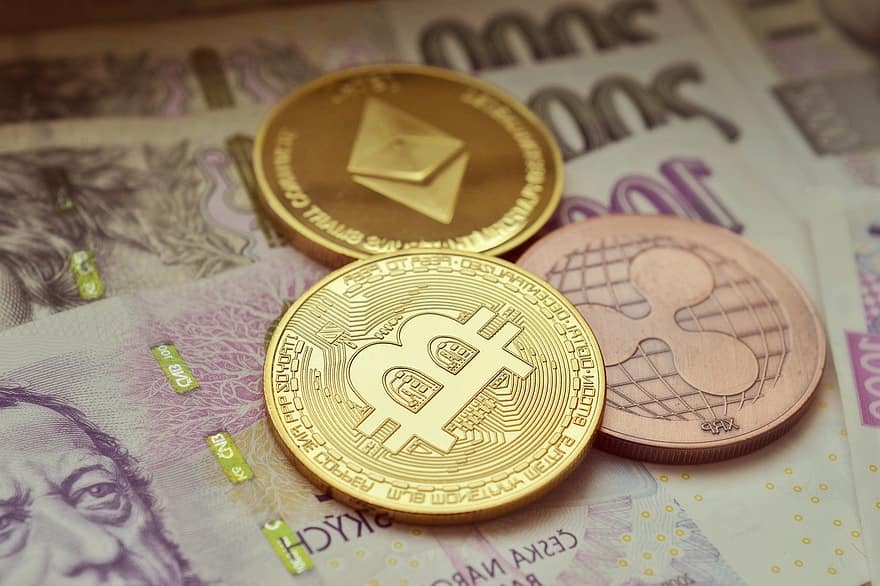
crypto coin prediction 2025 Insights and Trends Ahead

As crypto coin prediction 2025 takes center stage, this opening passage beckons readers into a world rich with insights and analysis, ensuring a reading experience that is both absorbing and distinctly original.

With the cryptocurrency landscape evolving rapidly, understanding the future trends, popular coins to watch, and the implications of market influencers is crucial. By exploring anticipated technological advancements, investment strategies, and how economic factors shape valuations, this discussion aims to equip you with the knowledge to navigate the crypto space effectively over the next few years.

Future Trends in Cryptocurrency

The cryptocurrency market is evolving rapidly, and by 2025, we can anticipate significant technological advancements and emerging trends that will shape the landscape. Understanding these trends is crucial for investors and enthusiasts alike, as they could greatly influence the values of various cryptocurrencies.

Technological Advancements

By 2025, advancements in blockchain technology are expected to enhance transaction speeds, scalability, and security. Projects focusing on interoperability between different blockchains will likely gain traction, allowing seamless cross-chain transactions. Additionally, innovations in smart contracts could lead to greater automation in various sectors, increasing the utility of cryptocurrencies.

Emerging Trends

Several emerging trends could influence crypto coin values significantly:

  • Integration with Artificial Intelligence: The combination of AI and blockchain is expected to create smarter trading platforms and investment tools.
  • Increased Adoption of Decentralized Finance (DeFi): DeFi is likely to continue its upward trajectory, offering new financial products and services.
  • Environmental Concerns: The push for eco-friendly mining solutions could lead to the rise of cryptocurrencies that prioritize sustainability.

Expert Forecasts

Industry experts present varying forecasts regarding market behavior by 2025. Some predict a bullish trend, driven by mainstream adoption, while others caution against potential regulatory challenges that could hinder growth. The consensus seems to revolve around the idea that the market will mature, leading to more stable prices and increased institutional investment.

Popular Cryptocurrencies to Watch

As we look ahead to 2025, certain cryptocurrencies are poised to perform exceptionally well due to their strong fundamentals and market positioning. Identifying these coins can provide a strategic advantage for investors.

Top Cryptocurrencies

The following cryptocurrencies are predicted to gain significant traction by 2025:

  • Bitcoin (BTC): As the first and most recognized cryptocurrency, Bitcoin is likely to maintain its dominance.
  • Ethereum (ETH): With the shift to Ethereum 2.0, its scalability and functionality in the DeFi space will enhance its value.
  • Cardano (ADA): Known for its focus on sustainability and scalability, Cardano is set to attract long-term investors.

Factors for Success

Several factors contribute to the anticipated success of these cryptocurrencies:

  • Strong Community Support: Active communities often drive adoption and innovation.
  • Technological Advancements: Continuous upgrades and enhancements to the blockchain can attract more users.
  • Regulatory Compliance: Coins that navigate regulations effectively may gain a competitive edge.

Risks Associated

While opportunities abound, certain risks could impact these cryptocurrencies:

  • Regulatory Changes: Unanticipated regulations could negatively affect market dynamics.
  • Market Volatility: Cryptocurrencies are notoriously volatile, which could impact short-term investments.
  • Technological Risks: Security breaches or bugs in the code could undermine user trust.

Market Influencers

The cryptocurrency market is influenced by various external factors, including leading market players and regulatory changes, that can drastically alter price movements.

Role of Major Players

Major market players, including institutional investors and large trading firms, have a significant impact on cryptocurrency prices. Their buying and selling activities can create substantial volatility, often leading to rapid price fluctuations.

Impact of Regulatory Changes

Page for individual images • Quoteinspector.com

Regulatory changes can reshape the cryptocurrency landscape dramatically. For instance, the implementation of clear guidelines can foster growth by providing a safer environment for investors, while overly restrictive regulations might stifle innovation.

Influential Social Media Figures

Social media has become a powerful tool in the cryptocurrency space. Influential figures, such as prominent investors and industry leaders, can sway public sentiment and drive market trends. Their endorsements or criticisms can lead to significant price movements, highlighting the importance of monitoring social media channels.

Investment Strategies

Crafting a robust investment strategy is essential for those looking to capitalize on the growth of cryptocurrencies leading up to 2025.

Comprehensive Investment Strategy

Investors should consider diversifying their portfolio across multiple cryptocurrencies to mitigate risks. This can include allocating funds to both established coins and promising altcoins.

Risk Management Techniques

Effective risk management techniques are vital in volatile markets. Strategies such as setting stop-loss orders, regularly reviewing portfolio performance, and maintaining a disciplined approach can help investors minimize losses.

Successful Investment Portfolios

Examples of successful investment portfolios often include a mix of high-cap and mid-cap cryptocurrencies, allowing for exposure to potential high rewards while minimizing overall risk. For instance, a portfolio might include 40% Bitcoin, 30% Ethereum, and 30% distributed among promising altcoins.

Technological Innovations

The landscape of cryptocurrency will see transformative technological innovations by 2025, particularly in areas like blockchain and security.

Evolution of Blockchain Technology

Blockchain technology is expected to evolve significantly, with enhancements in speed, efficiency, and interoperability. This evolution will facilitate more complex applications across various industries, making cryptocurrencies more integral to everyday transactions.

Role of Decentralized Finance (DeFi)

DeFi is anticipated to play a crucial role in the future of cryptocurrency, democratizing access to financial services. By removing intermediaries, DeFi platforms can offer lower fees and greater accessibility to users worldwide.

New Security Measures

Page for individual images • Quoteinspector.com

As the cryptocurrency market grows, so does the need for enhanced security measures. Innovations such as multi-signature wallets, biometric security, and advanced encryption techniques are being developed to protect users’ investments.

Economic Factors

Numerous macroeconomic factors can influence cryptocurrency valuations, creating a complex interplay between traditional markets and digital assets.

Macroeconomic Factors

Factors such as inflation, interest rates, and economic stability play crucial roles in determining cryptocurrency prices. For instance, periods of high inflation may lead investors to seek alternative assets like cryptocurrencies as a hedge.

Correlations with Traditional Markets

A growing correlation between traditional markets and cryptocurrencies indicates that economic trends affecting stocks and commodities can also impact crypto prices. Monitoring these relationships can provide insights into potential market movements.

Inflation and Global Economic Shifts

Global economic shifts, such as geopolitical tensions or changes in monetary policy, can significantly influence cryptocurrency prices. Investors should remain vigilant of these external factors that could affect market sentiment.

Public Sentiment and Adoption Rates

Public sentiment towards cryptocurrencies is pivotal in determining their future adoption and market stability.

Current Public Sentiment

Current sentiment towards cryptocurrencies is cautiously optimistic, with an increasing number of individuals and institutions exploring the space. However, skepticism remains among some segments of the population, often driven by past market volatility.

Factors Driving Adoption

Several factors could drive increased adoption rates by consumers and businesses, including:

  • Improved User Experience: User-friendly platforms are crucial for attracting newcomers.
  • Educational Initiatives: Increasing awareness and understanding of cryptocurrencies can foster greater acceptance.
  • Integration in Everyday Transactions: Acceptance of cryptocurrencies in everyday commerce can enhance their legitimacy.

Predicted User Growth

According to various studies, user growth in the cryptocurrency space is projected to surge, with transaction volume anticipated to increase significantly by 2025. This growth can be attributed to broader acceptance and technological advancements improving usability.

Regulatory Environment

The regulatory environment surrounding cryptocurrencies is expected to evolve, impacting market dynamics and investor behavior.

Expected Regulatory Changes

By 2025, a clearer regulatory framework is anticipated to emerge, potentially providing guidance for cryptocurrency operations. This could include measures aimed at consumer protection, anti-money laundering, and tax compliance.

International Regulation Implications

International regulations can have far-reaching implications on crypto trading, affecting market accessibility and operational standards across different jurisdictions. Countries that adopt favorable regulations may attract more businesses and investors.

Comparison of Country Approaches

Different countries are approaching cryptocurrency legislation in various ways. Some are embracing it with open arms, while others are taking a more cautious approach, reflecting their unique economic and political contexts. Analyzing these differences can provide insight into potential market movements.

Closing Summary

In summary, the journey towards 2025 in the world of cryptocurrencies promises to be filled with opportunities and challenges alike. By staying informed about market trends, key players, and regulatory developments, investors can better position themselves to seize potential rewards while mitigating risks. The evolving landscape will undoubtedly create new narratives in the crypto sphere, making ongoing education and adaptability more important than ever.

Detailed FAQs

What are the top cryptocurrencies predicted to perform well in 2025?

While many speculate, Bitcoin, Ethereum, and emerging altcoins like Cardano and Solana are often highlighted for their potential growth.

How will regulatory changes impact cryptocurrency values?

Regulatory clarity can lead to increased institutional investments, potentially driving up prices, while strict regulations may stifle growth.

What factors should investors consider in their strategies?

Investors should consider market volatility, technological advancements, and macroeconomic indicators to develop informed strategies.

How can public sentiment influence crypto adoption?

Positive public sentiment can drive higher adoption rates, while negative news or events can lead to market panic and decreased interest.

What role does DeFi play in the future of cryptocurrencies?

Decentralized finance (DeFi) is expected to revolutionize traditional finance by providing innovative solutions and increasing accessibility to financial services.